Healthy Exercise Habits Every Child Should Learn Early
Building healthy exercise habits for kids does not require complicated workouts, competitive sports, or hours in a gym. The habits that often matter most are much simpler: moving consistently, learning different physical skills, understanding how the body feels during activity, and discovering forms of movement a child actually enjoys.
Parents can help establish these patterns by making physical activity a normal part of everyday life instead of something children associate only with sports practice or structured workouts. When children need more individualized support, Kenzie’s Kids offers personal training designed specifically for children and families to help them develop movement skills, confidence, strength, and sustainable routines.
The objective is not to turn every child into an athlete. It is to give children the skills and experiences they need to stay active throughout childhood and eventually make healthy decisions independently.
Also Read
- Importance of Regular Movement for Kids
- Signs Kids Need More Exercise
- Benefits of At-Home Fitness for Kids
TL;DR
Healthy exercise habits start with consistency rather than intensity. Children benefit from opportunities to move throughout the day, experience different types of physical activity, develop fundamental movement skills, rest when needed, and gradually take ownership of their activity choices. Parents can support a daily fitness routine for children by creating predictable opportunities for movement without making exercise feel like punishment. The long-term goal is for children to associate physical activity with capability, confidence, enjoyment, and health rather than pressure or appearance.
Key Takeaways
- Consistent movement is more useful than occasional intense workouts.
- Children should experience different types of movement instead of specializing too early.
- Strength, balance, coordination, endurance, and mobility can all be developed through age-appropriate activities.
- Exercise should never be used as punishment.
- Children need opportunities to choose activities they genuinely enjoy.
- Rest and recovery are part of healthy fitness habits.
- Progress should focus on skills and capability rather than appearance.
- Parents can model active habits without turning every family activity into a workout.
- Structured coaching can help children who need additional support, accountability, or individualized instruction.
Healthy Exercise Habits for Kids Start With Consistency
One of the most useful lessons children can learn is that physical activity should happen regularly.
That does not mean every day needs to include a formal workout. Movement can happen in many different ways throughout the week.
Make Movement Part of Normal Life
Children may be active through:
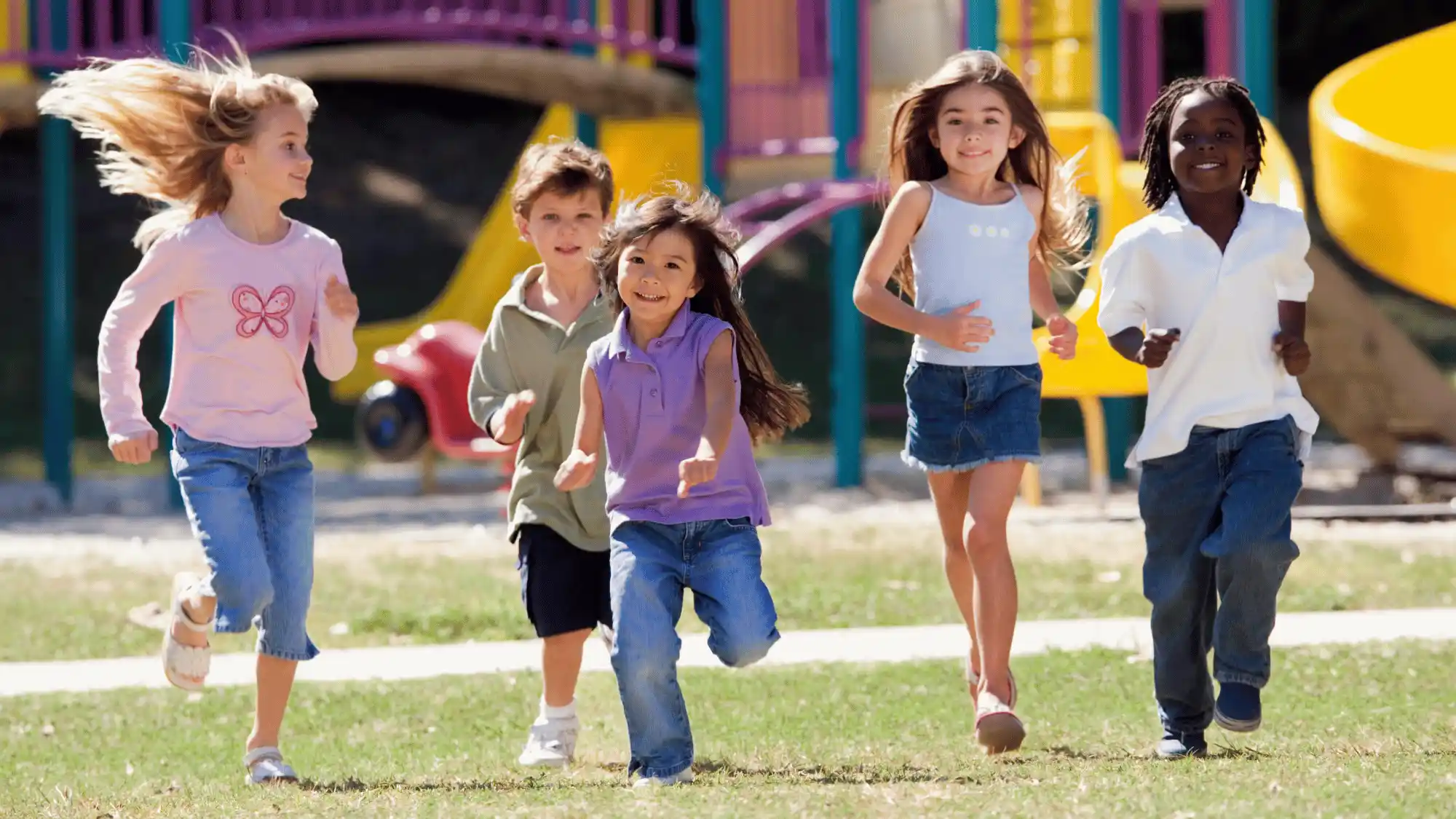
- Playing outside
- Riding a bike
- Walking the dog
- Swimming
- Playing at a park
- Participating in sports
- Dancing
- Hiking
- Completing a structured fitness session
- Playing active games with siblings or friends
The specific activity matters less than creating consistent opportunities to move.
Parents can make this easier by connecting movement to existing routines. An active break after school, a family walk after dinner, or outdoor play before screen time can create predictable opportunities without requiring an entirely separate schedule.
Avoid the Weekend-Only Approach
A child who spends most weekdays sitting and then participates in several hours of activity on Saturday is getting movement, but the pattern does not establish consistency.
Smaller opportunities throughout the week help children become accustomed to moving regularly.
The goal is to make physical activity feel normal rather than like an occasional event that requires significant planning.
Create a Flexible Routine
A daily fitness routine for children should not be so rigid that missing one activity makes the entire plan feel unsuccessful.
Families can create simple movement windows instead.
For example:
After school might include 20 to 30 minutes outside.
Another day might include personal training or sports practice.
A busy evening might only leave enough time for a short walk or active game.
Consistency should provide structure without creating unnecessary pressure.
Teach Children That Exercise Comes in Different Forms
Children should not grow up believing that exercise only happens in a gym or on a sports field.
A broad understanding of movement makes it easier for children to remain active as their interests change.
Include Different Movement Skills
A well-rounded routine can expose children to several physical abilities:
- Strength: pushing, pulling, carrying, climbing, and age-appropriate resistance exercises
- Balance: single-leg activities, controlled movement, and stability challenges
- Coordination: catching, throwing, kicking, jumping, and agility activities
- Endurance: walking, running, cycling, swimming, and active games
- Mobility: moving joints comfortably through appropriate ranges of motion
Children do not need to train each category formally. Many activities develop several abilities simultaneously.
Playing tag, for example, can involve running, changing direction, reacting, accelerating, and coordinating movement.
Variety Helps Children Discover What They Enjoy
Not every child likes soccer, basketball, or other organized sports.
That does not mean the child dislikes physical activity.
They may prefer swimming, hiking, martial arts, strength activities, dance, cycling, individual coaching, or simply playing outside.
Giving children different experiences helps them discover forms of movement they may want to continue voluntarily.
That matters because sustainable exercise habits become much easier when a child enjoys at least some of the activities involved.
Build Skills Before Focusing on Performance
Children often become more willing to participate when they feel capable.
If basic movement skills are difficult, physical activity can become frustrating or embarrassing, particularly in competitive environments.
Fundamental Skills Create Options
Skills such as running, jumping, balancing, throwing, catching, and changing direction can support many recreational and athletic activities.
A child does not need perfect technique.
They need opportunities to practice.
Parents can create simple challenges such as:
- Tossing and catching a ball
- Jumping between sidewalk markings
- Balancing on one foot
- Creating an obstacle course
- Walking along a low balance line
- Practicing different types of jumps
- Carrying lightweight household objects safely
The activities can become more challenging as the child improves.
Progress Gradually
Children should not be expected to master movements immediately.
If a child struggles to catch a ball, begin with a larger or softer ball and shorten the distance. If balancing is difficult, provide support before removing it.
Progression allows children to experience success while still being challenged.
The American Academy of Pediatrics provides resources centered on healthy, active living for children and families, including the role families play in establishing supportive routines.
Skill development works best when children receive opportunities to learn without feeling judged for their starting point.
Help Children Understand Effort Without Glorifying Exhaustion
Children should learn that physical activity sometimes requires effort.
They should not learn that every successful workout ends with complete exhaustion.
Teach the Difference Between Challenge and Pain
A child may experience:
- Faster breathing
- Increased heart rate
- Warmth
- Muscle fatigue
- Sweating
These can be normal responses to activity.
Sharp pain, dizziness, unusual shortness of breath, or feeling physically unwell should not be treated as signs that a child simply needs to “push through.”
Children should feel comfortable telling an adult when something does not feel right.
Do Not Measure Success by Sweat
Sweating varies between individuals and environments.
A child can complete a productive session without looking exhausted afterward.
Parents should pay more attention to whether the child practiced useful skills, moved safely, stayed engaged, and worked at an appropriate level.
Teach Pacing
Children benefit from learning that they do not need to start every activity at maximum effort.
Pacing can help them participate longer and understand how their bodies respond to different activity levels.
This becomes particularly useful during running, cycling, hiking, sports, and other endurance-based activities.
Make Strength Training About Capability
Strength training can be part of a healthy movement routine when it is appropriately designed and supervised.
For children, the emphasis should be on learning movement rather than chasing maximum numbers.
Start With Movement Quality
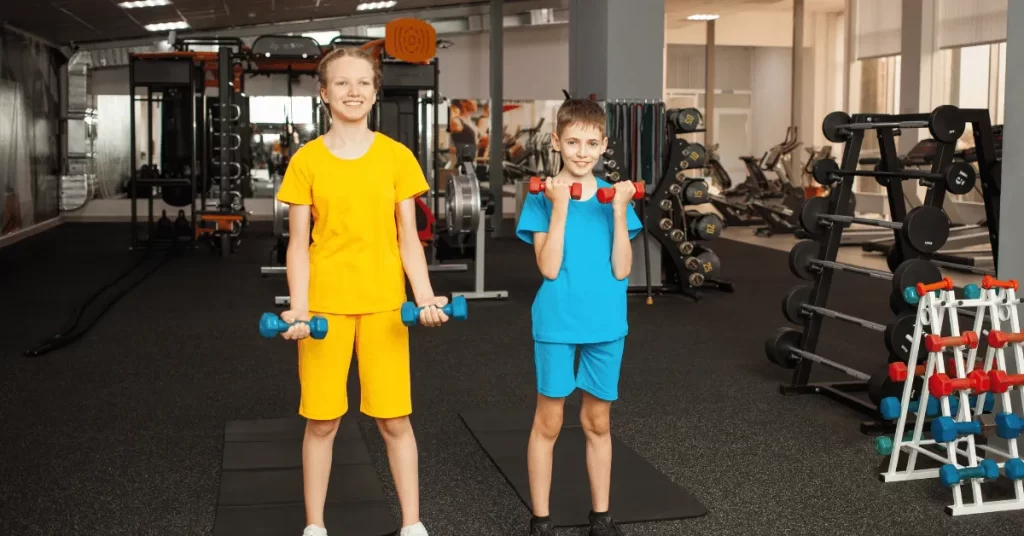
Strength activities might include:
- Squats
- Step-ups
- Crawling patterns
- Carries
- Push movements
- Pull movements
- Resistance bands
- Light resistance exercises
- Bodyweight activities
The appropriate exercise depends on the child’s age, ability, experience, and goals.
Technique should come before additional resistance.
The American Council on Exercise provides educational fitness resources covering exercise, movement, and safe physical activity practices. For families, the important principle is that exercises should match the individual rather than forcing the individual to match a predetermined workout.
Progress Should Be Earned
Once a child demonstrates control, the coach can increase difficulty.
Progression might involve:
- More repetitions
- Additional resistance
- A more complex movement
- Longer duration
- Reduced assistance
- Greater range of motion
Progress does not always mean adding weight.
For young clients especially, better coordination and control can be meaningful improvements.
Teach Children That Recovery Is Part of Fitness
Rest should not be treated as something that only happens when a child cannot continue.
Recovery is part of healthy physical development.
Children Need Breaks During Activity
The appropriate amount of rest depends on the activity, environment, and child.
A trainer or parent should pay attention to signs that technique or engagement is deteriorating because of fatigue.
Taking a break can allow the child to return to the activity with better movement quality.
Sleep Supports an Active Lifestyle
Physical activity is only one part of a healthy routine.
Sleep, hydration, nutrition, and recovery all affect how children feel and perform.
Parents do not need to turn these topics into complicated performance strategies. Basic routines can teach children that taking care of their bodies includes both activity and recovery.
Avoid Treating Rest as Failure
Children should not feel guilty for needing recovery.
This is especially important for children involved in multiple sports, activities, or structured training programs.
More activity is not automatically better.
The objective is sustainable participation.
Top 5 Healthy Exercise Habits Every Child Should Learn
These five habits provide families with a simple framework they can use beyond any specific workout or sport.
1. Move Regularly
Physical activity should happen throughout the week rather than being saved for one intense session.
Encourage walking, outdoor play, sports, structured fitness, active games, and other forms of movement.
2. Learn Different Skills
Children benefit from running, jumping, balancing, throwing, catching, carrying, climbing, and other fundamental movements.
Variety develops broader physical capability.
3. Choose Activities You Enjoy
Children are more likely to stay active when they have some control over how they move.
Expose them to options and pay attention to what keeps them engaged.
4. Listen to Your Body
Teach children to recognize effort, fatigue, discomfort, thirst, and the need for rest.
They should understand that communicating how they feel is responsible, not weak.
5. Focus on Progress
A child does not need to be the strongest, fastest, or most coordinated person in the group.
Ask a better question:
“Can you do something today that was difficult for you before?”
That mindset turns fitness into an ongoing process rather than a comparison.
Keep Exercise Separate From Punishment
One of the easiest ways to create a negative relationship with movement is to use it as punishment.
Statements such as “You misbehaved, so now you have to run” teach children that physical activity is something unpleasant imposed after doing something wrong.
That conflicts with the goal of developing lifelong healthy habits.
Use Logical Consequences Instead
Behavior and fitness should generally remain separate.
If a child struggles to follow instructions during a session, the coach may pause the activity, simplify expectations, or redirect attention.
Making the child complete extra exercises as punishment can change the meaning of those exercises.
Watch the Language Adults Use
Children notice how adults talk about fitness.
Statements such as:
“I have to work off what I ate.”
or
“I hate exercising, but I have to do it.”
can unintentionally frame movement as punishment or compensation.
Parents do not need to pretend they love every workout. They can instead model a healthier message:
“I feel better when I move regularly.”
That connects physical activity with wellbeing rather than guilt.
Let Children Have Some Ownership
Children are more likely to develop lasting habits when they gradually learn to make their own activity decisions.
Parents can provide structure while still offering choices.
Offer Controlled Choices
Instead of asking:
“Do you want to exercise?”
Try:
“Would you rather ride bikes or go to the park?”
Both options accomplish the goal while giving the child some control.
During structured training, a coach might allow a child to choose between two activities that work toward the same objective.
Encourage Independent Movement
Not every activity needs adult supervision once the child can participate safely.
Children might:
- Practice a skill
- Shoot baskets
- Ride a bike
- Play outside
- Create an obstacle course
- Dance
- Walk the dog
Independent movement helps children understand that being active does not always require a formal program.
Know When Structured Coaching Can Help
Families can establish many exercise habits independently.
Some children, however, benefit from additional structure.
Coaching Can Provide Individual Attention
A coach can observe movement patterns, select appropriate exercises, provide feedback, and gradually progress activities.
That can be valuable for children who:
- Lack confidence
- Need more structure
- Want to improve athletic skills
- Do not enjoy group sports
- Need individualized movement options
- Struggle to maintain consistent activity
- Benefit from accountability
Kenzie’s Kids provides youth-focused personal training designed around the child rather than a generic adult fitness program.
Parents Still Play an Important Role
One or two coached sessions cannot create an active lifestyle by themselves.
The habits children experience throughout the rest of the week matter too.
Parents can reinforce training by encouraging everyday movement, providing opportunities for active play, and speaking positively about physical activity.
The coach provides expertise and structure. The family helps make movement part of everyday life.
Create Habits Children Can Carry Into Adulthood
The long-term objective of youth fitness is not simply improving what a child can do this month.
It is helping them develop skills and attitudes they can use for years.
Children’s interests will change.
A child who loves soccer at age nine may prefer strength training at 15 and hiking at 25.
That is completely normal.
The specific activity does not need to remain constant. The underlying habit of staying active is what matters.
When children learn that movement can be enjoyable, adaptable, social, challenging, and personally meaningful, they have more ways to remain active as their lives change.
A successful daily fitness routine for children should therefore create flexibility rather than dependence on one particular activity.
FAQs
How much exercise should children get each day?
Activity needs vary by age and individual circumstances. Families can use current guidance from qualified health organizations while focusing on creating regular opportunities for moderate and vigorous movement throughout the week.
Does my child need to play a sport to stay fit?
No. Children can stay active through walking, cycling, swimming, dancing, outdoor play, personal training, active games, hiking, and many other activities.
Is strength training appropriate for children?
Age-appropriate strength activities can be incorporated when exercises are properly selected, technique is emphasized, and children receive appropriate supervision.
What if my child does not like exercise?
Start by exploring different forms of movement rather than assuming the child dislikes all physical activity. Some children dislike competitive sports but enjoy individual challenges, swimming, hiking, cycling, strength activities, or active games.
How can I create a daily fitness routine for children?
Connect movement with existing routines. Consider active time after school, family walks, outdoor play, structured coaching, sports practices, or short movement breaks throughout the day.
Should parents exercise with their children?
Family activities can provide a positive example and make movement more enjoyable. Parents do not need to participate in every activity, however. Children should also develop confidence moving independently.
When should we consider a youth fitness coach?
Structured coaching may help when a child needs individualized instruction, greater confidence, improved movement skills, accountability, athletic development, or an alternative to traditional group fitness and sports environments.
Conclusion
Developing healthy exercise habits for kids is less about creating the perfect workout and more about establishing a healthy relationship with movement.
Children should learn that physical activity can happen in many forms. They should experience different movement skills, understand appropriate effort, recognize when they need rest, and have opportunities to discover activities they genuinely enjoy.
Parents can support those habits by creating consistent opportunities to move, avoiding appearance-based goals, keeping exercise separate from punishment, and gradually giving children greater ownership over their activity choices.
When additional support is helpful, Kenzie’s Kids offers personal training for children and families built around individualized goals, confidence, movement development, and sustainable routines.
The most valuable outcome is not creating a child who never misses a workout. It is helping a young person develop the skills, confidence, and mindset to make movement a normal part of life.
About the Author
This article was written by the Kenzie’s Kids team, specialists in mobile personal training designed for children and families. With a focus on building confidence, improving coordination, and creating lifelong healthy habits, Kenzie’s Kids delivers structured, engaging fitness coaching directly in the comfort of your home.
Serving families across Phoenix and Indianapolis, their team of experienced trainers, educators, and movement specialists creates personalized programs that fit each child’s needs, schedule, and goals. Learn more about their approach at Kenzie’s Kids and meet the people behind the program on the About Kenzie’s Kids page.