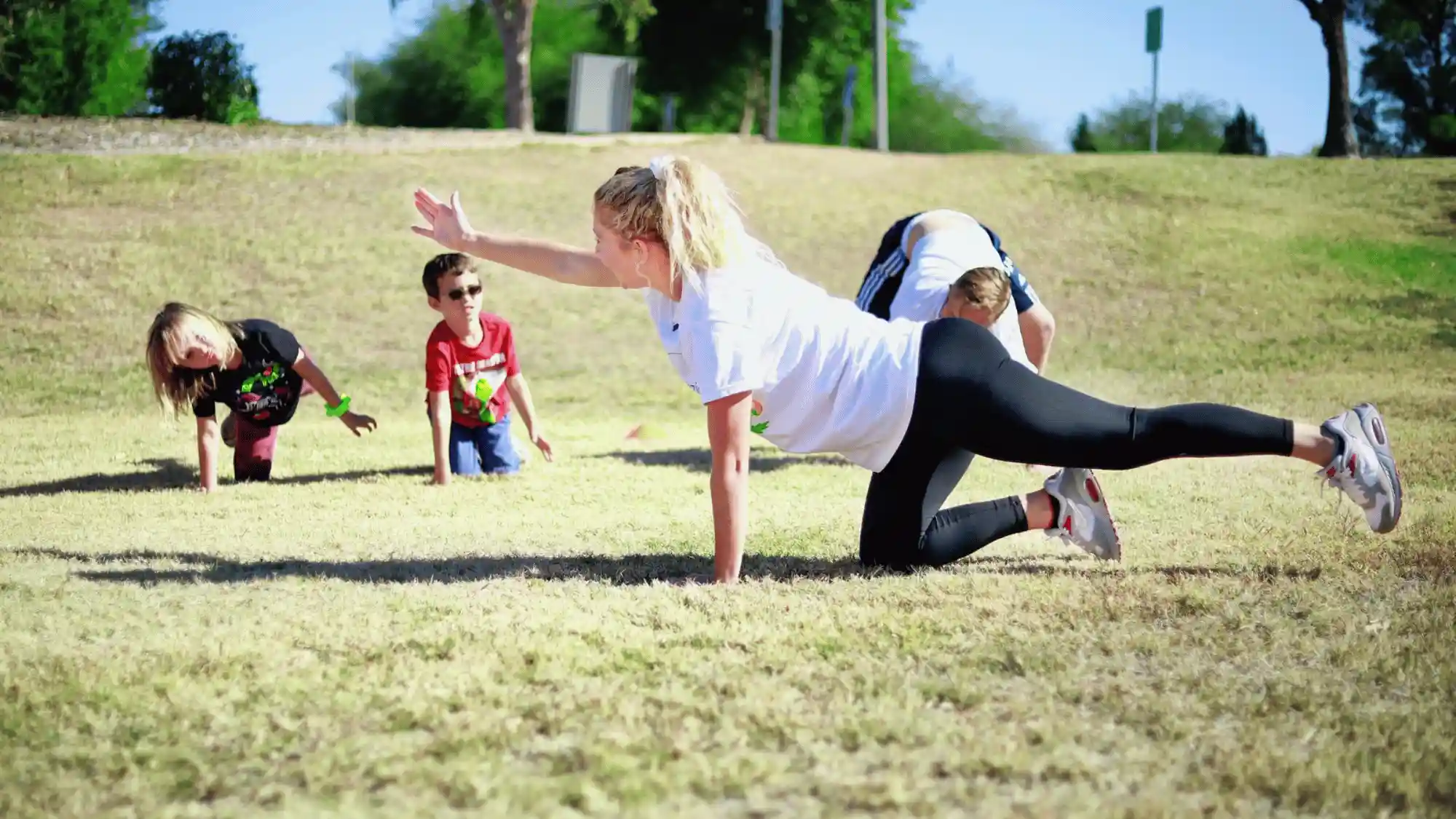
Importance of Regular Movement for Kids and Healthy Development
For many families, movement is one of the first things pushed aside when schedules get busy. Between schoolwork, screen time, extracurriculars, and family commitments, it can feel difficult to fit physical activity into the day in a meaningful way. Most parents know movement is important, yet it is not always clear how much is needed or how to make it consistent.
The importance of regular movement for kids goes far beyond staying active or burning off energy. Consistent physical activity plays a major role in physical activity and child development, influencing strength, coordination, confidence, emotional regulation, and even learning. When movement becomes a regular part of a child’s routine, it supports the whole child, not just their physical health.
This guide explains why regular movement matters, how it impacts development, and how families can create sustainable routines that support long-term growth.
Also Read
TL;DR
Regular movement is essential for kids’ physical, emotional, and cognitive development. Consistent physical activity supports confidence, coordination, focus, and emotional health. When movement is intentional and routine, children are better prepared to grow, learn, and thrive long term.
Key Takeaways
- Regular movement supports physical activity and child development
- Consistency matters more than intensity or competition
- Movement benefits all kids, not just athletes
- Physical activity supports focus, confidence, and emotional regulation
- Sustainable routines create lifelong healthy habits
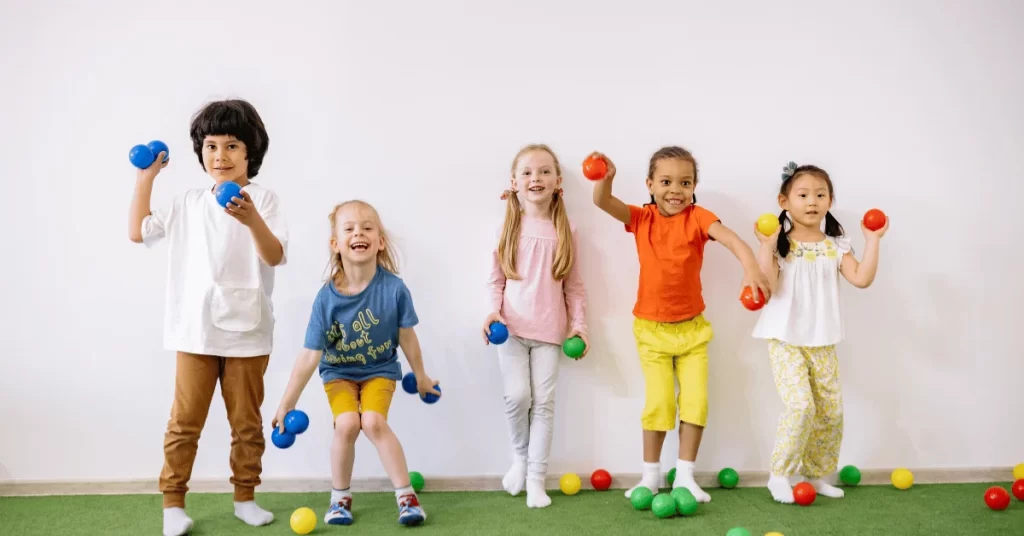
What Does Regular Movement Mean for Kids?
Regular movement does not mean constant workouts or structured sports every day. Instead, it refers to consistent physical activity that supports healthy development over time. This includes activities that build strength, balance, coordination, mobility, and body awareness.
Many families rely on occasional sports practices or unstructured play, which can be helpful but often inconsistent. Regular movement means creating routines where kids move often enough to maintain and build physical skills. It is the difference between occasional activity and a dependable foundation for development.
Intentional movement helps children understand how their bodies work and builds confidence in everyday activities, from running and jumping to sitting with better posture and control.
The Link Between Physical Activity and Child Development
Physical activity and child development are deeply connected. Movement is one of the primary ways children learn about their bodies and environment. Through regular activity, kids develop motor skills, coordination, balance, and strength.
When children move consistently, they improve posture, stability, and body awareness. These physical benefits reduce the risk of injury and support overall comfort in daily life. Movement also supports emotional development by helping regulate stress and energy levels.
Beyond the physical benefits, movement plays a role in brain development. Regular activity increases blood flow to the brain and supports neural connections that influence learning, memory, and attention.
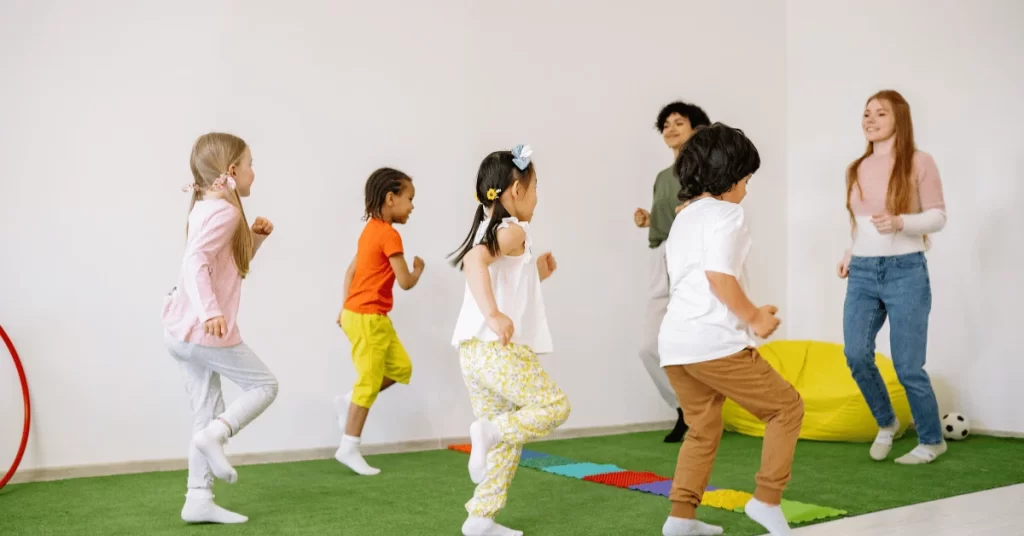
Why the Importance of Regular Movement for Kids Goes Beyond Sports
Sports can be a great outlet, but they are not the right fit for every child. Some kids thrive in competitive environments, while others feel overwhelmed or uninterested. Families also face logistical challenges with travel, schedules, and seasonal commitments.
The importance of regular movement for kids goes beyond organized sports. Every child needs movement that supports their individual development, regardless of athletic ability or interest. Movement should not be limited to those who enjoy competition.
By focusing on movement rather than performance, parents can support children who might otherwise disengage from physical activity. This inclusive approach helps all kids build confidence and physical competence.
Cognitive Benefits of Regular Physical Activity
Regular physical activity plays a significant role in cognitive development. Movement supports focus, attention, and memory by improving circulation and encouraging healthy brain function.
Children who move regularly often find it easier to concentrate on tasks and manage frustration. This is especially important for families who homeschool or place a strong emphasis on academics. Movement breaks and consistent physical routines help kids reset mentally and return to learning with greater clarity.
Rather than distracting from education, movement enhances a child’s ability to learn and retain information.
Emotional and Social Benefits of Regular Movement
Movement is a powerful tool for emotional regulation. Physical activity provides a healthy outlet for stress and energy, helping kids manage emotions more effectively.
As children develop physical skills, they also build confidence. Achieving small milestones through movement reinforces a sense of capability that carries into other areas of life, including school and social interactions.
Structured movement environments also support social development. Kids learn to follow directions, respect boundaries, and communicate effectively, skills that are valuable well beyond fitness.
What Happens When Kids Lack Consistent Movement
When movement is inconsistent or seasonal, kids may struggle to maintain confidence and motivation. Long gaps in physical activity can lead to frustration when children feel less capable or comfortable moving their bodies.
Stop and start routines make it harder to build habits. Children may become discouraged when skills decline during inactive periods, making it more difficult to re-engage later. Over time, this inconsistency can create a negative association with movement.
Regular movement helps normalize physical activity as a part of daily life rather than something that comes and goes.
How Much Physical Activity Do Kids Really Need?
Parents often ask how much movement is enough. While general guidelines exist, the most important factor is consistency. Short, regular movement sessions are often more effective than occasional long workouts.
Quality matters more than quantity. Activities should be age appropriate, engaging, and focused on proper movement patterns. Rather than counting minutes, families benefit from routines where movement happens predictably and frequently.
This approach reduces pressure while still supporting healthy development.
Building Consistent Movement Routines at Home
One of the biggest barriers families face is consistency. Busy schedules, weather, and logistics can make it difficult to maintain routines. Creating movement opportunities at home removes many of these obstacles.
At-home movement allows kids to stay active without travel time or scheduling conflicts. Familiar environments help children feel more comfortable, which increases participation and enjoyment.
When movement fits naturally into daily life, it becomes easier to maintain long term.
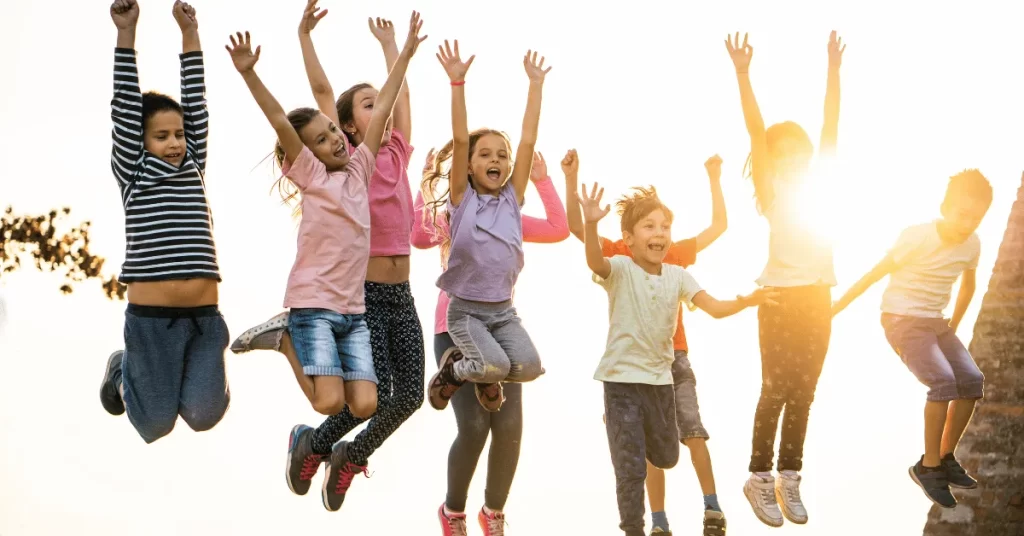
How Structured Fitness Supports Physical Activity and Child Development
Structured fitness provides guidance and accountability that many families struggle to create on their own. Professional support ensures movement is safe, effective, and aligned with a child’s developmental needs.
Structured programs help children build skills progressively and avoid poor movement habits. This support leads to better outcomes in both physical activity and child development.
Families who incorporate structured fitness often see greater consistency and more meaningful progress over time.
Why Kenzie’s Kids Prioritizes Regular Movement
Kenzie’s Kids is built on the belief that regular movement is essential to a child’s overall development. Programs focus on purposeful, goal-oriented activity that supports kids of all abilities, not just athletes.
Rather than offering generic workouts, Kenzie’s Kids provides individualized support designed to meet families where they are. This approach helps remove common barriers and makes regular movement more accessible.
By bringing professional fitness directly to families, Kenzie’s Kids supports sustainable routines that fit modern life. Families can learn more about this philosophy and the services available through Kenzie’s Kids
Kenzie’s Kids also emphasizes inclusion and long-term development over quick fixes. This commitment helps families create healthy habits that last well beyond childhood. Explore how this approach supports families and children.
FAQs
Is regular movement more important than sports?
Regular movement complements sports but is not dependent on them. All children benefit from consistent physical activity, regardless of athletic involvement.
Can physical activity help with focus and behavior?
Yes. Regular movement supports emotional regulation, attention, and stress management.
What if my child does not enjoy exercise?
Personalized and supportive movement experiences often help children feel more comfortable and engaged.
Does movement need to happen every day?
Consistency matters more than rigidity. Regular routines are more effective than strict schedules.
Conclusion
The importance of regular movement for kids cannot be overstated. Consistent physical activity supports physical activity and child development by strengthening the body, supporting emotional health, and improving focus and confidence.
When movement becomes a regular part of daily life, children are better equipped to handle challenges both academically and socially. By prioritizing consistent, intentional movement, families invest in their child’s long-term health and well-being.
